
5 Mistakes Businesses Make When Buying a Security System
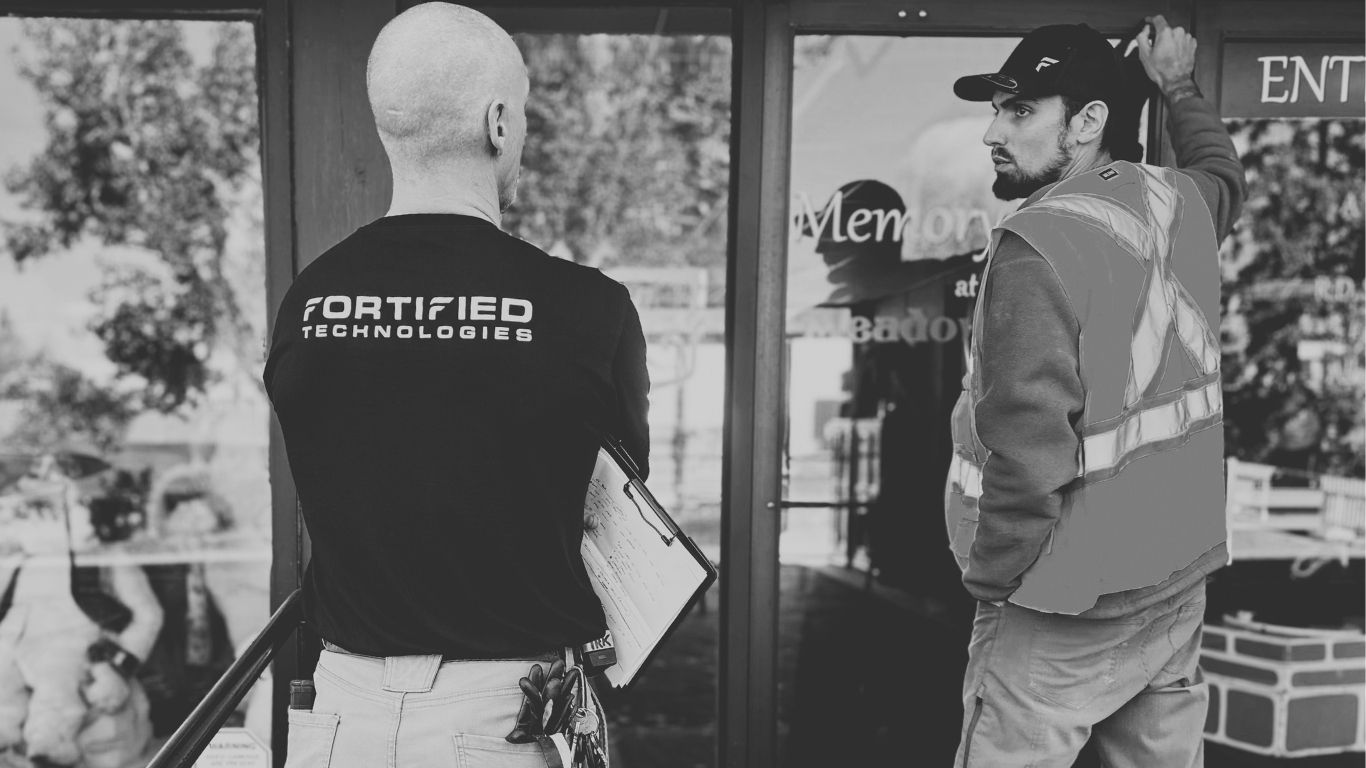
"Most businesses regret at least one decision when buying a security system. Here are the five most common mistakes — and how to avoid each one before you sign anything."
Most businesses that contact us after a bad experience with another integrator share a common thread: they made at least one of the five mistakes below. These aren't obscure edge cases — they're the decisions that show up again and again, and they're entirely avoidable with the right information before you buy.
Key Takeaways
- Buying on hardware price alone almost always costs more over 5 years than buying for total cost of ownership.
- A system that can't integrate with your access control, cameras, and alarms on one platform will create operational headaches.
- Choosing an integrator without local support means slow response times when something breaks.
- Underestimating cabling and installation costs is the most common source of budget overruns.
- Skipping a site assessment before purchase leads to wrong camera placements and coverage gaps.
Mistake #1: Buying on Hardware Price Alone
The most common mistake is treating a security system like a commodity purchase — finding the cheapest camera or access control hardware and building outward from there. The problem is that hardware is only one part of your total cost.
A camera that costs $400 instead of $800 sounds like a win. But if it runs on a proprietary platform with expensive annual licensing, requires a separate NVR instead of cloud storage, and lacks the AI analytics that let you actually use the footage — you haven't saved anything. Over a five-year window, the cheaper camera often costs more.
What to do instead: Ask for a full total-cost-of-ownership breakdown before you compare quotes. Hardware, installation, cabling, annual licensing, and expected support costs over three to five years. That's your real comparison number.
Mistake #2: Buying Systems That Don't Talk to Each Other
Many businesses end up with three or four separate systems — a legacy alarm panel from one vendor, cameras from another, and access control from a third — that don't integrate. Each has its own app, its own login, and its own support team.
When something happens at your facility, you're switching between three dashboards trying to correlate events. When an employee badge is lost, you're calling two different companies. This is not a security posture — it's a collection of tools.
What to do instead: Before any purchase, ask: "Can this system share data with my cameras, access control, and alarm on a single platform?" Modern cloud-based platforms like Verkada are built specifically for unified management. If the answer is "we have an API" or "with an additional integration," dig deeper into what that actually means for your day-to-day operations.
Mistake #3: Choosing an Integrator Without Local Ongoing Support
Security systems are not a one-time purchase. They require configuration changes, firmware updates, credential management, and eventually repairs. A national company with no local presence, or a vendor who sells you the equipment and disappears, creates a serious long-term risk.
When a camera goes down or a door controller stops responding, you need someone who can be on-site. "Submit a support ticket and we'll respond within 48 hours" is not adequate for a security issue.
What to do instead: Before signing, ask specifically: Who is my point of contact after installation? What is the response time for a site visit if hardware fails? Is that response time in writing in the contract?
Mistake #4: Underestimating Installation and Cabling Costs
Installation and cabling are the line items that most often blow a security budget. Hardware quotes look clean on paper. Then the installer shows up, discovers that your ceiling is a concrete deck, your cable runs need to go 200 feet instead of 50, and the electrical panel needs a dedicated circuit — and suddenly you're 40% over budget.
Structured cabling typically runs $139–$250 per run — the Cost Estimator's full planning range, widened from a $139 base to account for ceiling height, routing complexity, and conduit requirements. Multiply that by 20 camera locations and you're looking at $2,780–$5,000 in cabling alone before a single device is installed. Projects with fiber backbones, industrial trenching, or unusually long distances fall outside standard estimator scope and are quoted on site. This line item is frequently omitted from initial quotes.
What to do instead: Insist that any quote includes a fully itemized installation estimate — not a lump sum, but a breakdown of labour hours, cabling runs, conduit, and any required electrical work. Ask what assumptions were made, and whether the quote was based on a site visit or a phone conversation.
Mistake #5: Skipping the Site Assessment
The final and arguably most consequential mistake is purchasing a system — or even deciding how many cameras you need — without a professional site assessment. Camera placement determines whether your investment actually provides coverage. The wrong location leaves blind spots. The wrong camera type leaves unusable footage.
A parking lot at the perimeter of your facility at 2am needs a different camera than a hallway with controlled lighting. A warehouse with 40-foot ceilings needs a different lens than a retail floor. These decisions require someone who has walked the site.
What to do instead: Require a site walk before any system is specified. A reputable integrator will not design a system from a floor plan alone. If an integrator is willing to quote you 12 cameras without visiting your facility, that's a red flag — not a time-saver.
Start with an honest assessment
Before you buy anything, get a site-specific estimate and a professional assessment of your facility's actual security needs. We do both — and we won't quote you a system we haven't walked your site to validate.
Frequently Asked Questions
Buying on hardware price alone is the most common mistake. The cheapest camera or access control hardware often results in the highest total cost over five years when you factor in licensing, storage, integration limitations, and support costs.