
Fortified Technologies vs. Local Integrator vs. DIY: An Honest Comparison
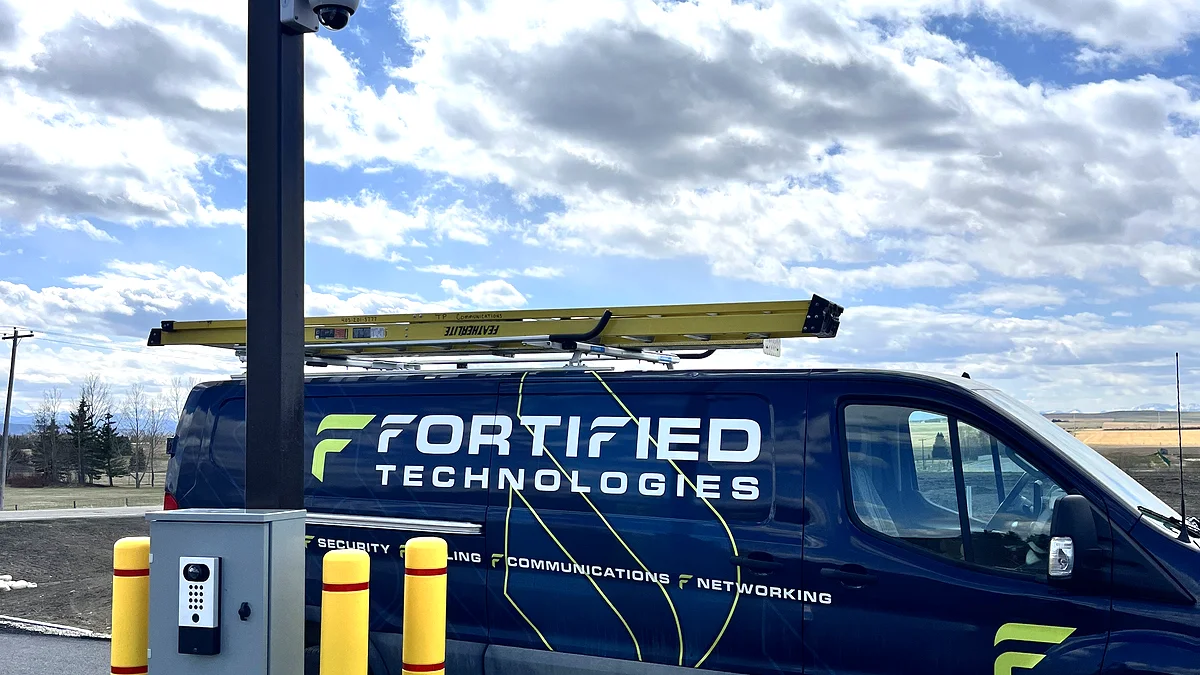
"An honest comparison of working with Fortified Technologies, a typical local integrator, or a DIY security system — with real trade-offs, not just self-promotion."
We're going to compare ourselves to the competition — fairly. That means acknowledging where a local integrator might be a better fit, where DIY makes sense, and where Fortified Technologies is the right call. If you read this and decide a different option is better for your organization, we think that's a better outcome than selling you something that doesn't fit.
Short Answer
- DIY is appropriate for very small, low-risk spaces with a technical owner who wants to self-manage.
- A local integrator may be the right fit if you have a simple, single-location project and a strong personal relationship with someone local.
- Fortified Technologies is the right call when you need integrated systems, multi-site management, cloud platforms, and a partner who stays accountable after installation.
The Comparison: What Each Option Actually Delivers
| Factor | DIY / Self-Monitored | Typical Local Integrator | Fortified Technologies |
|---|---|---|---|
| Upfront cost | Lowest — hardware only, no installation labour | Mid-range — hardware + installation, limited platform licensing | Mid-to-high — hardware + professional installation + cloud licensing |
| Ongoing cost | Low — no licensing if using local storage; higher if using cloud | Varies — some use proprietary platforms with recurring fees | Transparent annual licensing; all-in pricing provided upfront |
| Installation quality | Self-installed; no warranty on labour | Professional; quality varies significantly by company | Professional; certified on Verkada and other platforms; documented |
| Platform & integration | Limited — most consumer systems don't integrate across device types | Varies — some use proprietary systems that lock you in | Enterprise cloud platforms (Verkada); cameras, access, alarm on one dashboard |
| Multi-site management | Very limited — typically site-by-site | Uncommon — most local integrators are not set up for multi-site | Core competency — centralized management across unlimited sites |
| Ongoing support | Self-managed; manufacturer warranty only | Depends on company; response times vary widely | Named point of contact; documented SLAs; on-site response capability |
| Vendor independence | Depends on platform chosen | Varies — some use proprietary hardware with no portability | Open platforms; another certified integrator can take over if needed |
| Best for | Residential, very small single-space, tech-savvy self-managers | Simple single-location projects with an established relationship | Commercial, multi-site, compliance-sensitive, or integrated deployments |
When DIY Makes Sense
Consumer-grade security systems — Nest, Ring, Arlo — have improved significantly. If you're securing a small home office, a single-room studio, or a very low-risk space, and you're comfortable managing the technology yourself, DIY is a legitimate choice.
Where DIY breaks down: footage quality under challenging lighting, limited integration between devices, no professional monitoring, no on-site support when hardware fails, and no documentation of your system for insurance or compliance purposes.
When a Local Integrator Might Be the Right Call
If you have a long-standing relationship with a local security company, and they've consistently delivered and supported your system, that relationship has real value. Trust and accountability built over years matters.
The risk with smaller local integrators is platform selection. Many smaller companies install whatever hardware their distributor has available, rather than specifying the best platform for your requirements. That can mean proprietary systems, limited integration, and a situation where the integrator's business continuity becomes your security risk.
Ask any integrator — local or otherwise — what happens to your system if their company were acquired or closed. That answer tells you a lot.
Where Fortified Technologies Is the Right Fit
We're the right partner for businesses that need: multiple systems to work together (cameras, access control, alarms, intercom), management across more than one location, a platform that will still be supported in ten years, and an integrator who stays accountable after the installation truck leaves.
We're honest about where we're not the cheapest option upfront. Enterprise-grade hardware and cloud platforms cost more than a consumer system. Professional installation with documented cable runs and tested equipment costs more than a self-install. If lowest possible upfront cost is the only decision criterion, we are not the right fit.
If total cost of ownership over five years, operational reliability, and a partner who answers the phone when something goes wrong are what matter — we think the comparison is compelling.
Compare your actual options
Use our cost estimator to get a transparent price range for your specific project, then bring that number to any other conversation you're having. We think honest comparison benefits everyone.
Frequently Asked Questions
For very small, low-risk single spaces managed by a technical owner, DIY consumer systems can work. For commercial applications — multiple locations, compliance requirements, integration needs, or professional monitoring — DIY systems lack the reliability, support, and integration capability needed.