
What Most Security Integrators Won't Tell You About Your Proposal
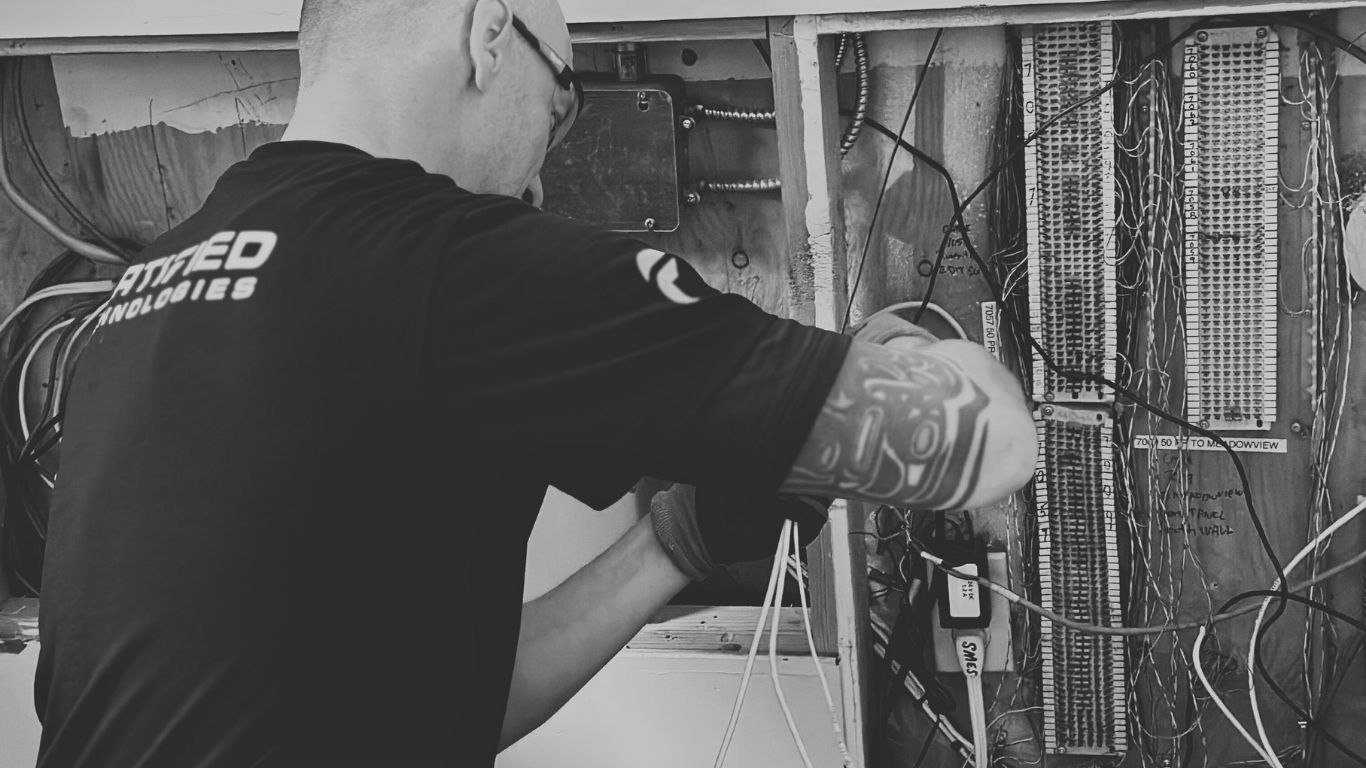
"Security proposals can hide significant costs and lock you into vendor relationships that don't serve you. Here's what to look for — and what to ask — before you sign."
A security proposal looks straightforward: a list of hardware, a price, and a signature line. But the things that actually determine whether you're getting a fair deal — and whether the system will serve you in three years — are rarely in the document itself. Here's what most integrators won't surface unless you ask directly.
What to watch for
- Proprietary hardware that only works with one vendor's platform.
- Licensing costs that start low and escalate significantly after year one.
- Installation quoted as a lump sum with no itemized breakdown.
- No mention of who supports the system after installation is complete.
- Contracts that transfer ownership of your data or footage to the integrator.
The Proprietary Lock-In Problem
Many integrators sell hardware that is deliberately designed to work only within their own ecosystem. The cameras only work with their NVR. The access control readers only accept their credentials. If you're ever unhappy with the integrator — or they go out of business — you're replacing the entire system, not just switching service providers.
The antidote is open-standard or widely-supported platforms. Ask explicitly: "If I want to switch integrators in three years, can I keep this hardware and platform?" If the answer is vague or no, you're buying lock-in, not a security system.
The Licensing Escalation Trap
Cloud-based security systems have ongoing software licensing fees. That's normal and often worth it — automatic updates, remote management, and cloud storage are genuine value. What isn't acceptable is when year-one pricing is artificially low and escalates sharply at renewal.
Before signing, ask for the licensing fee schedule for years one through five. Ask whether the rate is locked or subject to change. Ask what happens to your footage and access records if you stop paying. These are reasonable questions, and an honest integrator will have clear answers.
The Lump-Sum Installation Quote
"Installation: $4,500" tells you almost nothing. It doesn't tell you how many cable runs are included, what ceiling height assumptions were made, whether conduit is included, or what happens if the site conditions are different from what was assumed.
Lump-sum installation quotes protect the integrator, not you. If actual conditions are more complex, you'll be presented with a change order. Insist on an itemized breakdown: number of cable runs, labour hours by trade, hardware mounting assumptions, and a clear change-order policy if site conditions differ.
Post-Installation Support: Read This Carefully
The most important section of any security contract is the one about ongoing support — and it's usually the shortest, or missing entirely. "Manufacturer warranty" is not the same as "we will come to your site when something breaks."
Questions to ask before you sign: Who is my point of contact after installation? What is your guaranteed response time for an on-site visit? Is that guarantee in the contract? What does support cost after the first year?
If the integrator can't answer these questions specifically, assume the support will be poor. Security systems break. Cameras go offline. Door controllers fail. You need a defined process for getting that resolved quickly — not a support ticket queue.
What Happens If Your Integrator Goes Out of Business?
This question is almost never asked, and almost never answered in a proposal. But it matters. If your integrator closes, is acquired, or simply stops supporting the platform they sold you, what happens?
The best answer is a system built on a platform with a large independent vendor base — one where multiple integrators are certified and can take over support. If the integrator is the only one who can service the system, you have a single point of failure in your security infrastructure.
Ask: "If your company were acquired or closed tomorrow, could another integrator take over the management of this system?" The answer tells you everything about how locked in you are.
Data Ownership and Footage Rights
Most businesses don't read the terms attached to cloud video platforms. Some platforms include clauses that grant the vendor rights to use footage for training AI models, or that restrict your ability to export historical footage when you change providers.
Confirm in writing: who owns the footage stored on the cloud platform? How long is it retained? Can you export it? What happens to stored footage when you cancel? These are non-negotiable points that should be in writing before you commit.
We'll answer every question directly
Ask us anything on this list. Our proposals are itemized, our licensing terms are transparent, and we can clearly explain what happens to your system if you ever want to change providers.
Frequently Asked Questions
Ask directly: 'If I want to switch integrators in three years, can I keep this hardware and platform?' If the answer is vague, or they say another integrator can't service your system, you're buying lock-in.