
Structured Cabling in Calgary: Building the Foundation for Business Connectivity
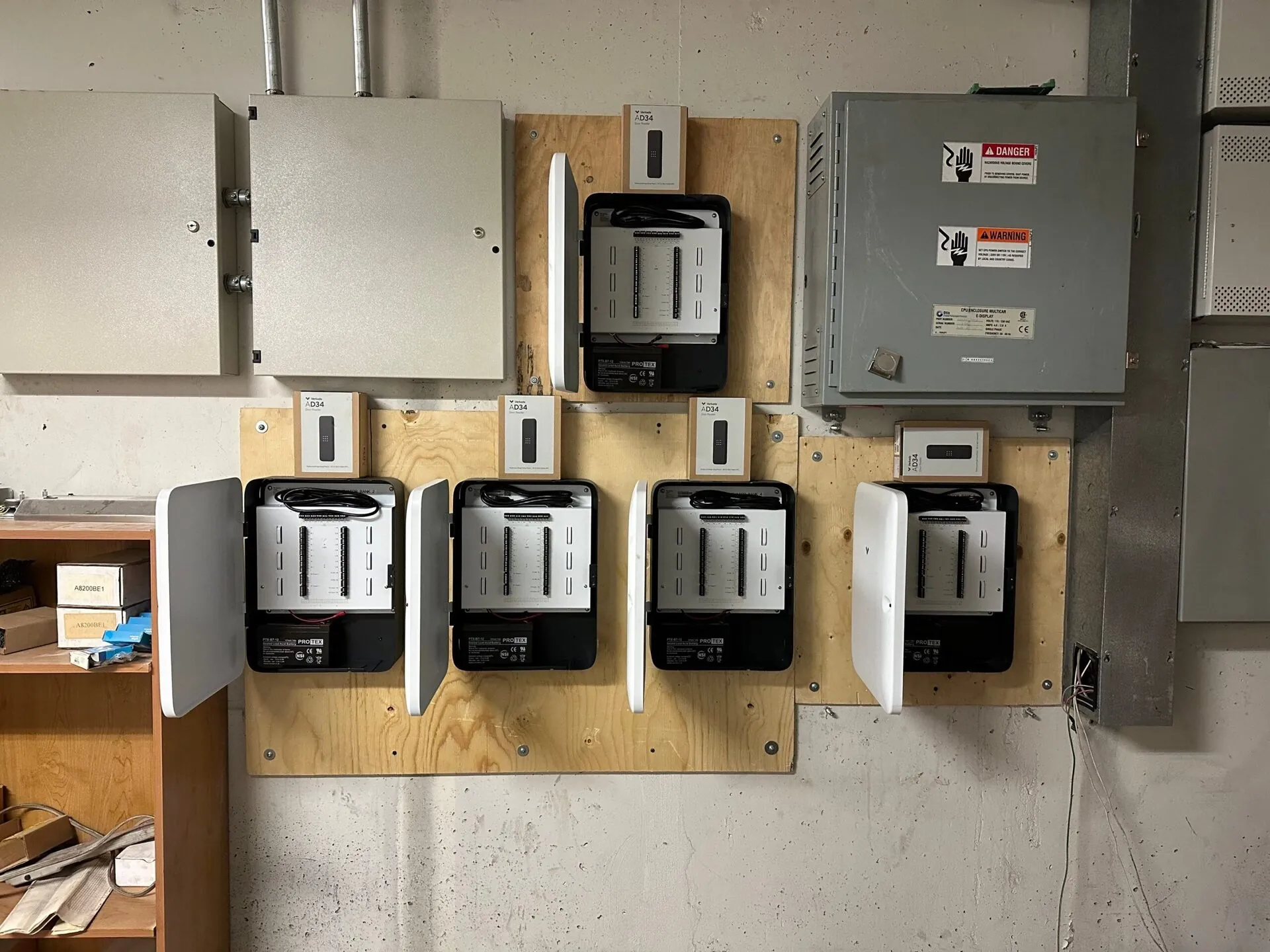
"Structured cabling is the backbone of every modern Calgary business. Learn what Cat6A, fibre, and proper cable management mean for your network reliability, speed, and future scalability."
Every camera, access reader, phone, computer, and IoT sensor in your building depends on one thing: the physical cabling infrastructure beneath the walls and above the ceilings. When that infrastructure is properly designed and installed, it's invisible - everything just works. When it isn't, you're chasing intermittent outages, unexplained slowdowns, and interference problems for years.
Structured cabling is the discipline of designing, installing, and documenting the physical layer of a network - the cables, patch panels, connectors, and racks that everything else depends on. For Calgary businesses building out new offices, renovating existing spaces, or upgrading aging infrastructure, getting the cabling right is the most important investment you can make in your technology foundation.
Key Takeaways
- Cat6A cabling supports 10Gbps speeds up to 100 metres - the current standard for new commercial installations.
- Fibre optic cabling is required for runs over 100 metres and for connecting buildings or floors in large facilities.
- Proper cable management prevents signal interference, simplifies troubleshooting, and extends infrastructure life.
- Every run should be labelled and documented - unknown cables are a maintenance and security liability.
- A well-designed cabling infrastructure is rated for 10-15 years and should be designed for future expansion from day one.
Cat5e vs. Cat6 vs. Cat6A: What Calgary Businesses Should Be Installing
Copper Ethernet cabling comes in several categories, each supporting different speeds and distances. Cat5e was the standard through the 2010s and supports 1Gbps up to 100 metres. Cat6 supports 10Gbps but only up to 55 metres in shared cable bundles. Cat6A supports 10Gbps at the full 100-metre run length, with better shielding against crosstalk.
For new installations in Calgary commercial buildings, Cat6A is the appropriate standard. The cost difference over Cat5e or Cat6 is modest at installation time but the performance and longevity difference is substantial. Businesses that install Cat5e today will likely need to recable within five to seven years as bandwidth demands increase - particularly with 4K IP cameras, cloud platforms, and the growing number of connected devices per employee.
When to Use Fibre Optic Cabling
Fibre optic cabling uses light rather than electrical signals to transmit data, enabling much higher speeds over much longer distances - and with zero susceptibility to electromagnetic interference. It's the right choice for:
- Inter-building runs: Connecting separate buildings on a campus or property without signal degradation or grounding issues.
- Long horizontal runs: Any copper run exceeding 100 metres requires a fibre backbone or intermediate distribution point.
- High-interference environments: Manufacturing facilities, mechanical rooms, and anywhere near large motors or electrical equipment where EMI is a concern.
- High-bandwidth backbones: Server rooms, network core switches, and data centre connections where 40Gbps or 100Gbps is required.
Most modern commercial buildings use a hybrid approach: fibre for backbone runs between floors and to the main distribution frame, with Cat6A for horizontal runs to individual workstations and devices.
Cable Management: The Detail That Separates Good Installations from Great Ones
Well-installed cabling is organized, labelled, properly supported, and separated from electrical runs to prevent interference. Poorly installed cabling - even if it's the right cable type - creates ongoing problems: signal errors from cables bent beyond their minimum bend radius, interference from cables bundled with electrical wiring, and unmaintainable tangles in patch panels that no one wants to touch.
In Calgary's commercial market, it's common to inherit legacy cabling in older office buildings or renovated industrial spaces that was installed without a formal structured cabling approach. These systems work until they don't - and diagnosing problems in unlabelled, disorganized cabling infrastructure costs far more in labour than a proper installation would have cost upfront.
Documentation: The Most Overlooked Part of Cabling Infrastructure
Every structured cabling installation should be accompanied by complete documentation: a floor plan showing cable routes, a patch panel schedule mapping physical ports to their termination points, and labelling at both ends of every run. This documentation has real value:
- IT staff can troubleshoot connectivity issues without physical tracing.
- New devices can be added without a cabling technician on-site.
- Decommissioned cables can be identified and removed, reducing clutter and improving airflow in communication rooms.
- Security audits can verify that every network connection is accounted for.
Planning for Growth: Design to Your Future, Not Your Present
The most expensive cabling decision is having to redo work that was installed too conservatively. A structured cabling system designed for current needs that doesn't anticipate growth will require disruptive and costly additions within a few years - often before the initial installation has been fully depreciated.
Best practice is to install 20-30% more cable runs than currently required, pre-install conduit in walls and ceilings to allow future cable pulls, and size communication rooms and racks to accommodate growth. These investments are modest at installation time and pay for themselves the first time an expansion doesn't require opening walls.
Fortified Technologies provides structured cabling installation for Calgary businesses across all sectors. Every project includes full documentation and is installed to TIA-568 commercial standards.
Frequently Asked Questions
Cat6A supports 10 Gbps at up to 100 metres and provides better crosstalk rejection than Cat6. For new Calgary commercial builds, Cat6A is the recommended standard as it future-proofs the installation for higher-speed networking without recabling.