
Video Surveillance Laws in Alberta: What Calgary Businesses Need to Know
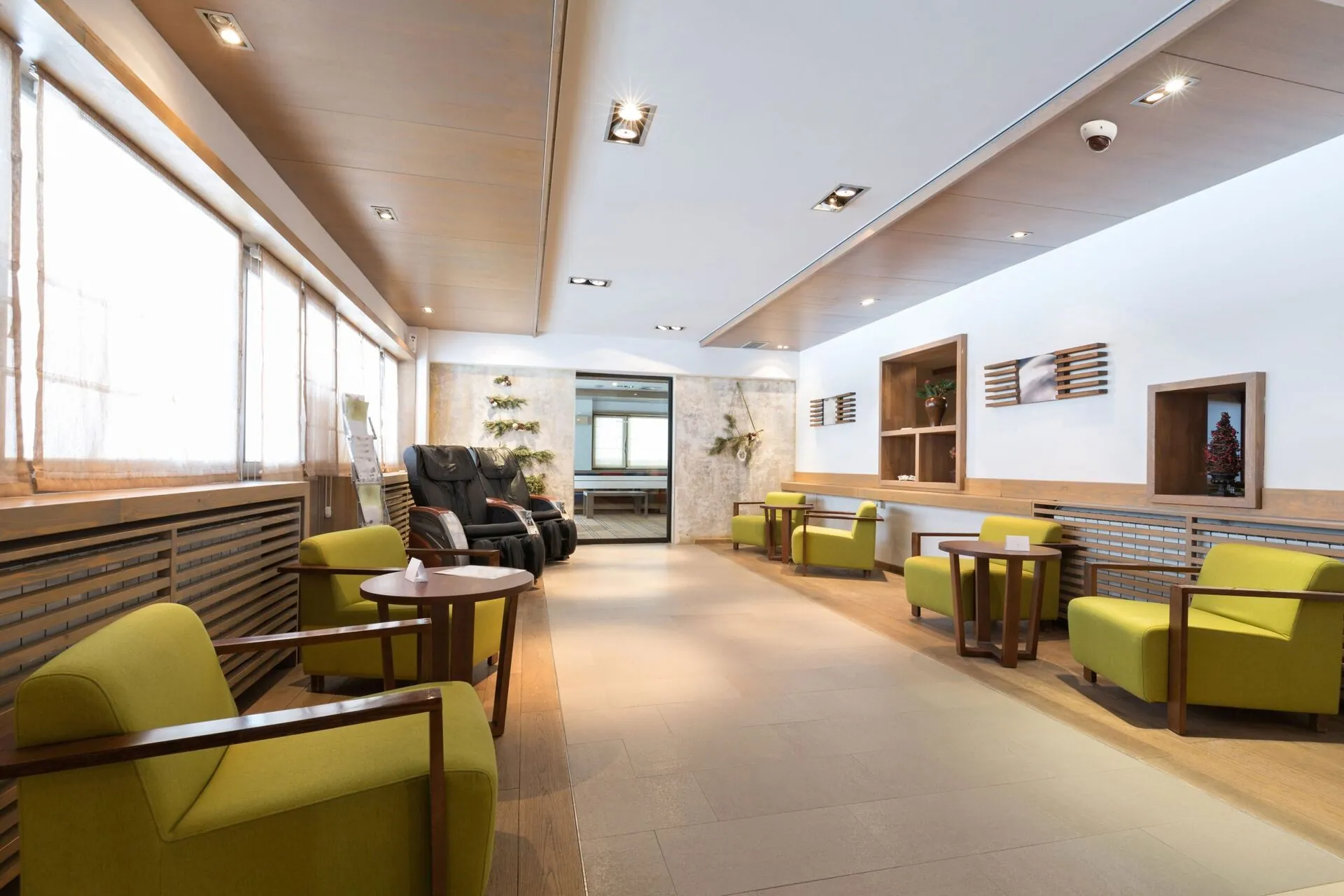
"Installing security cameras in your Calgary business? Alberta's PIPA legislation sets clear rules for where cameras can be placed, what signage is required, and how footage must be stored. Here's what you need to know."
Security cameras are one of the most effective tools for protecting Calgary businesses - but deploying them without understanding Alberta's privacy legislation can expose your organization to complaints, investigations, and fines. The good news is that the rules are clear and reasonably straightforward for most commercial applications.
This guide summarizes the key requirements under Alberta's Personal Information Protection Act (PIPA) for businesses operating video surveillance systems. It is general information only - for specific legal advice, consult a qualified lawyer familiar with Alberta privacy law.
Key Takeaways
- Alberta's PIPA requires businesses to have a clear purpose for collecting video footage and to use reasonable methods.
- Signage notifying the public that video recording is in operation is generally required for non-obvious camera placements.
- Cameras must not be placed in areas where a reasonable expectation of privacy exists - washrooms, change rooms, and private offices.
- Footage retention should be limited to what's reasonably necessary - typically 30 to 90 days for most businesses.
- Employees must be notified of workplace surveillance, and camera use must be reasonable relative to the business purpose.
Alberta's PIPA and Video Surveillance
Alberta is one of only two provinces with its own private-sector privacy legislation - the Personal Information Protection Act (PIPA). PIPA governs how private-sector organizations collect, use, and disclose personal information, including images of identifiable individuals captured on video.
The Alberta Privacy Commissioner has issued guidance specifically on video surveillance, and has investigated numerous complaints against Calgary businesses over the years. The key principles are:
- Purpose: You must have a clear, legitimate purpose for operating cameras. Loss prevention, employee safety, and facility security are generally accepted purposes.
- Necessity: You must collect only what's reasonably necessary for that purpose - cameras should cover the minimum area needed, not be placed for general observation of employees or public spaces.
- Notice: Individuals should generally be aware they're being recorded. In most commercial settings, this is accomplished through signage.
- Safeguards: Footage must be stored securely and protected against unauthorized access.
- Retention limits: Footage should be retained only as long as necessary for the stated purpose, then securely deleted.
Where Cameras Can and Cannot Be Placed
Cameras may generally be placed in:
- Customer-facing areas of retail, hospitality, and service businesses
- Building entrances, exits, and parking areas
- Cash handling areas and safes
- Stockrooms, warehouses, and high-value inventory areas
- Common areas of multi-tenant buildings (lobbies, elevators, corridors)
Cameras may generally not be placed in:
- Washrooms and change rooms - any area where a reasonable expectation of privacy exists
- Areas used exclusively for employee rest or breaks without notice and a legitimate business reason
- Private offices where employees have a reasonable expectation of privacy
For washrooms and other privacy-sensitive spaces, air quality and vape detection sensors offer a privacy-compliant alternative for policy enforcement - detecting chemical signatures without capturing images.
Signage Requirements
While PIPA doesn't specify exact signage wording, the standard practice - and the one the Alberta Privacy Commissioner typically expects - is visible signs at building entrances and at camera locations indicating that video recording is in operation. Signs should be legible at the point where a person would decide whether to enter the recorded area.
For non-obvious camera locations (covert or hidden cameras), the bar is much higher. The use of hidden cameras is generally only permitted in specific circumstances - such as a targeted investigation of a specific employee with reasonable grounds for suspicion - and even then carries significant legal risk. Standard business security systems should use visible cameras.
Employee Surveillance in Calgary Workplaces
Employers have broader latitude to monitor workplace areas than public areas, but employees must be notified that surveillance is in place. This is typically handled through employment contracts, workplace policies, or employee handbooks that disclose the existence and purpose of the surveillance system.
The Alberta Privacy Commissioner has found against employers who used cameras to monitor employees in ways disproportionate to a legitimate business purpose - for example, cameras pointed directly at individual workstations with no security rationale, or monitoring break rooms without notice.
How Long Can Calgary Businesses Keep Footage?
PIPA requires that personal information be retained only as long as reasonably necessary for the purpose it was collected. For most security applications, this means:
- Routine surveillance footage: 30 to 90 days is the typical range for businesses without specific regulatory requirements. Footage not needed for an investigation should be overwritten on a rolling basis.
- Incident footage: Footage relating to a specific incident - theft, accident, HR matter - can be retained as long as necessary to resolve that matter, including legal proceedings.
- Regulated industries: Financial services, healthcare, and other regulated sectors may have specific retention requirements that override the general PIPA standard.
Working with a Compliant Installation Partner
A professional security integrator can help Calgary businesses deploy camera systems that are both effective and privacy-compliant. Camera placement recommendations, signage strategy, and footage retention policies should all be part of the conversation - not afterthoughts.
Fortified Technologies designs video surveillance systems with Alberta's regulatory environment in mind. If you're planning a new installation or reviewing an existing system's compliance, contact our team for a consultation.
Frequently Asked Questions
No — Alberta's PIPA requires that employees be notified that they may be recorded. This is typically done through a workplace privacy policy communicated during onboarding and through visible signage. Covert recording of employees is generally not permitted.