
Vape Detection Sensors for Calgary Schools and Workplaces
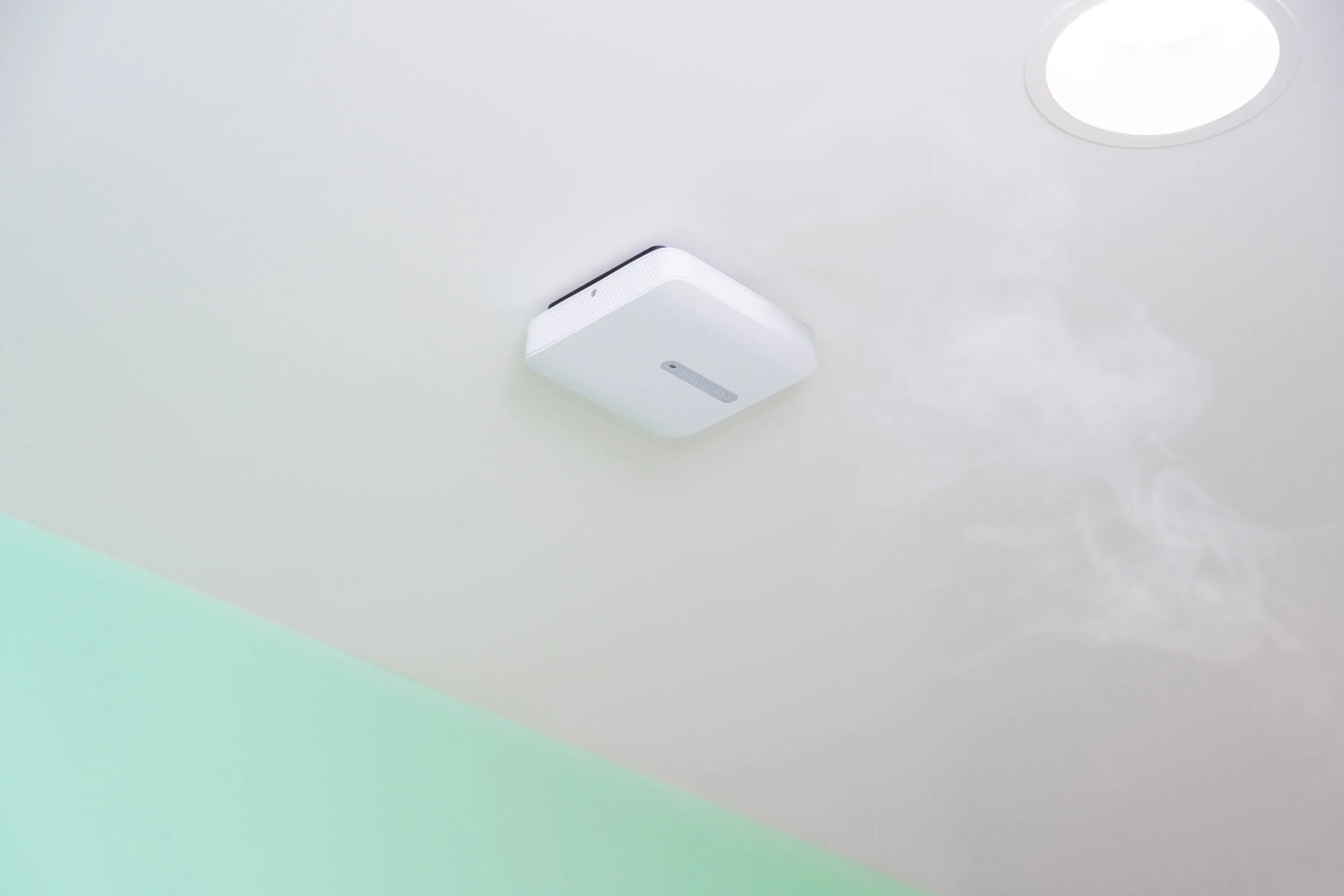
"Calgary schools and businesses are installing vape detection sensors in washrooms and common areas. Learn how the technology works, what it detects, and what to consider before deploying."
Vaping in school washrooms and workplace facilities has become a persistent problem for administrators and facility managers across Calgary. Unlike cigarette smoke, vaping produces no visible cloud in many cases and very little odour - making it nearly impossible to detect without being present in the room. That's where vape detection technology comes in.
Air quality sensors with vape detection capability have been deployed in Calgary schools, post-secondary institutions, office buildings, and industrial facilities to enforce clean air policies in spaces where cameras cannot be installed. This guide explains how the technology works, what it can and can't detect, and what organizations should consider before deploying it.
Key Takeaways
- Vape detection sensors work by identifying the chemical compounds released during vaping - not by capturing images.
- Sensors can be installed in washrooms, locker rooms, and stairwells where cameras are prohibited.
- Alerts are sent via SMS, email, or mobile app - enabling real-time staff response without constant monitoring.
- The same sensors that detect vaping also monitor CO2, temperature, humidity, and noise levels.
- Alberta's WorkSafe regulations require employers to maintain safe air quality - sensors provide documentation of compliance.
How Vape Detection Sensors Work
Vape detection sensors don't rely on cameras or audio recording. Instead, they analyze the air itself - continuously sampling for chemical signatures associated with vaping and smoking. When vaping occurs, e-cigarettes release glycol compounds, nicotine particles, and flavoring chemicals that standard air quality sensors can identify.
When the sensor detects these compounds above a defined threshold, it triggers an alert. Depending on configuration, that alert can go to a security guard's radio, a facility manager's email, or a school administrator's mobile app - enabling a real-time response without requiring staff to physically patrol washrooms at regular intervals.
What Vape Sensors Can Detect
Modern air quality sensors used for vape detection typically monitor multiple environmental conditions simultaneously:
- Vaping activity: Detection of chemical compounds associated with e-cigarettes and vape pens.
- Cigarette smoke: Particulate matter and CO levels associated with traditional cigarettes.
- CO2 levels: Elevated CO2 can indicate poor ventilation or unusually high occupancy - a useful signal for both health and safety.
- Temperature and humidity: Environmental conditions relevant to HVAC performance and occupant comfort.
- Noise levels: Some sensors include acoustic monitoring and can alert on unusual noise events - useful in school locker rooms or washrooms where altercations sometimes occur.
- VOCs (Volatile Organic Compounds): A broad category that includes many chemical vapors from cleaning products, adhesives, and industrial processes.
This multi-sensor capability means organizations aren't just installing a vape detector - they're deploying an environmental monitoring platform that supports broader health and safety goals.
Privacy Considerations for Calgary Organizations
A common concern when deploying air quality sensors in washrooms is privacy. It's worth being clear: these sensors monitor air chemistry, not audio or video. They cannot identify individuals, record conversations, or capture images. They detect that vaping occurred in a space - not who was responsible.
Under Alberta's Personal Information Protection Act (PIPA), air quality monitoring in shared facilities is generally permissible when employees or students are informed of the monitoring. Most organizations handle this through updated facility use policies and clear signage - the same approach used for CCTV in common areas.
Schools deploying these systems in Calgary typically involve their legal counsel and parent advisory councils in the decision, and communicate the deployment as part of a broader safe schools initiative rather than a surveillance program.
Typical Deployment Locations
The most effective vape detection deployments combine multiple sensor locations for coverage across the facility:
- Washrooms: The most common vaping location in schools and offices - and spaces where cameras cannot be deployed.
- Stairwells: Often overlooked but commonly used for vaping due to limited foot traffic and the perception of low visibility.
- Locker rooms and change areas: Schools and recreation facilities often find these to be problem areas.
- Break rooms and common areas: In workplaces where vaping policy applies to all interior spaces.
- Parking structures: Semi-enclosed areas attached to buildings where outdoor vaping restrictions may apply under facility policy.
Integration with Existing Security Systems
Air quality and vape detection sensors can be integrated with existing security platforms. When a vape event is detected, the system can automatically pull up the nearest camera feed - giving security staff a visual of who was in the vicinity of the sensor at the time of the alert. This pairing of air quality data with video context creates significantly stronger evidence for policy enforcement.
Fortified Technologies deploys air quality monitoring solutions across Calgary schools, post-secondary institutions, office buildings, and industrial facilities. Contact us to discuss the right deployment strategy for your facility.
Frequently Asked Questions
Vape detection sensors analyze air quality for the specific chemical compounds found in vape aerosol — including particulate matter and VOCs. When elevated levels are detected, the sensor triggers an alert to designated staff via app, SMS, or building management system — without capturing any images or video.