
Cannabis Retail Security in Calgary: Meeting AGLC Requirements and Protecting Your Store
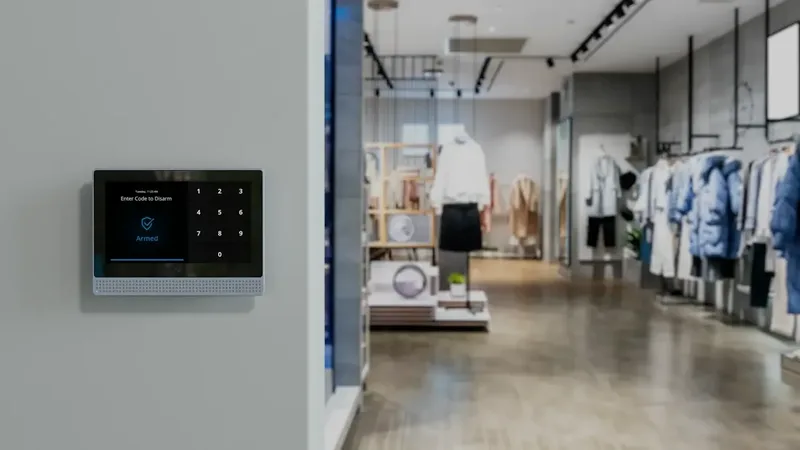
"AGLC regulations mandate specific security requirements for Alberta cannabis retailers. Learn what Calgary cannabis stores need for cameras, access control, and alarm monitoring compliance."
Alberta's cannabis retail licensing regime includes some of the most prescriptive security requirements of any commercial sector in the province. The Alberta Gaming, Liquor and Cannabis Commission (AGLC) sets minimum standards for camera coverage, access control, alarm monitoring, and record retention - and failure to meet these standards can result in license suspension or revocation.
For Calgary cannabis retailers, meeting the letter of the AGLC requirements isn't enough. The combination of high-value inventory, cash handling, and a regulatory environment that requires detailed documentation makes a well-designed security system one of the most critical operational investments you'll make.
Key Takeaways
- AGLC requires camera coverage of all points of sale, entry/exit points, cannabis storage areas, and age verification zones.
- Video must be retained for a minimum of 30 days and be accessible to AGLC inspectors on request.
- Access to cannabis storage must be restricted to licensed staff with individually logged credentials.
- Alarm monitoring must be active and connected to a ULC-listed monitoring station.
- Camera systems must maintain image quality sufficient for individual identification - resolution standards apply.
AGLC Camera Requirements
AGLC requires that camera systems cover all points of sale (capturing both the customer and the transaction), all entry and exit points to the store, cannabis storage and receiving areas, and any area where age verification occurs. Cameras must produce footage of sufficient quality to allow individual identification - a minimum resolution standard that rules out legacy analog systems.
The 30-day minimum retention requirement means your storage system must be sized accordingly. For a store with 8–12 cameras recording continuously in high definition, a minimum of 6–8TB of dedicated storage is typically required to meet this retention window - more if cameras are higher resolution.
Cannabis Storage Access Control
AGLC requires that cannabis product be stored in a secured area accessible only to licensed retail staff. Electronic access control with individual credentials - not shared PINs or physical keys - creates the audit trail the AGLC expects. Every access event is logged with the credential used and the timestamp, creating a complete chain of custody documentation for inventory purposes.
Cloud-managed access control systems allow Calgary cannabis retailers to instantly revoke access when a staff member leaves - without the risk that a departed employee retains a physical key or knows a shared code.
Alarm Monitoring
A ULC-listed monitoring station is an AGLC requirement - not optional. The monitoring station must be able to respond to alarm events and contact the licensee and/or police. Remote video monitoring paired with traditional alarm monitoring provides an active response layer: operators verify alarm events via live camera feeds before dispatching, reducing false alarm police calls and improving actual response quality.
Documentation for AGLC Inspections
AGLC inspectors may request access to your camera system and access control logs at any time. Cloud-based systems make this straightforward - footage can be exported and access reports generated quickly from any browser. Fortified provides all new cannabis retail clients with a security documentation package that details the system installation, coverage map, and retention policy for AGLC compliance purposes. Contact us to discuss your Calgary cannabis retail security requirements.
Frequently Asked Questions
AGLC requires camera coverage of all points of sale, entry and exit points, cannabis storage and receiving areas, and age verification zones. Cameras must produce footage sufficient for individual identification. Video must be retained for a minimum of 30 days and be accessible to AGLC inspectors on request.